
What to Know Before Buying a Waterfront Home on the Emerald Coast
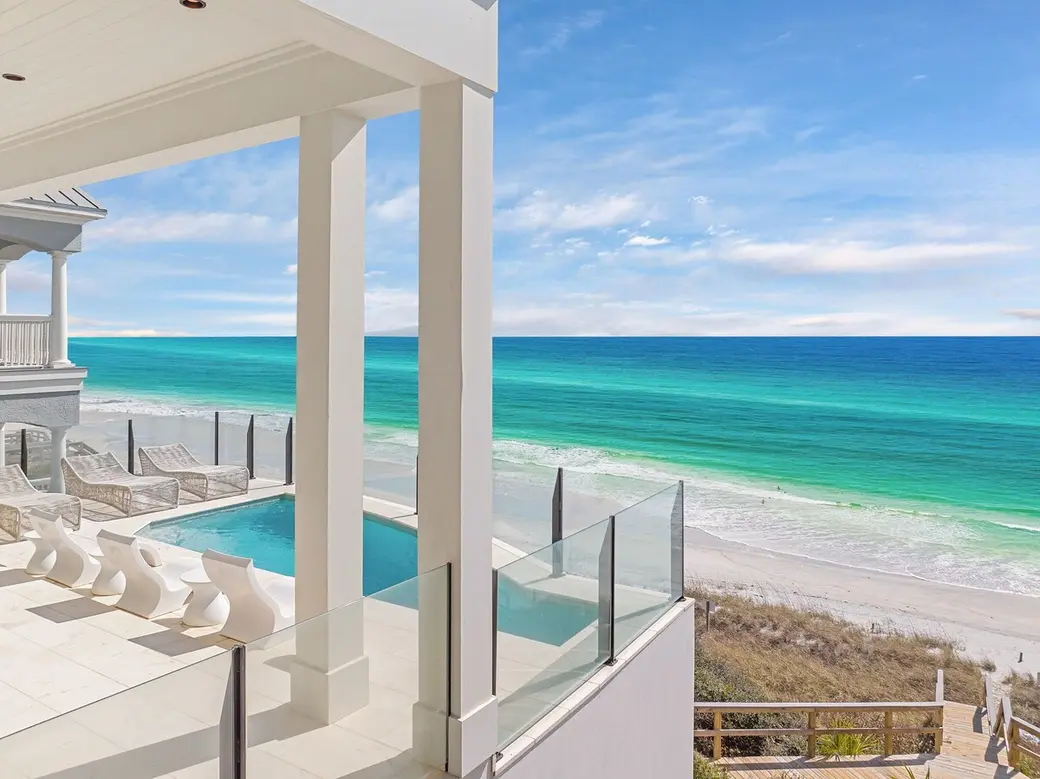
What to Know Before Buying a Waterfront Home on the Emerald Coast
There’s something special about owning a waterfront home on Florida’s Emerald Coast. Waking up to the water, keeping a boat nearby, enjoying incredible sunsets, and having your own piece of the coast can be an amazing lifestyle. But waterfront property is different from a typical home purchase.
When you’re buying a home along the Emerald Coast, the view is only part of the equation. Before you make an offer, you’ll want to understand the property’s flood zone, insurance requirements, seawall or shoreline condition, dock, maintenance needs, and long-term resale considerations.
Here are some of the most important things to look at before buying a waterfront home in the Destin, Niceville, Fort Walton Beach, Miramar Beach, or surrounding Emerald Coast areas.
1. Start With the Flood Zone
One of the first questions to ask about any waterfront property is: What flood zone is it in?
Being close to the water doesn't automatically mean a property is in the same flood-risk category as another waterfront property nearby. Flood maps, elevation, proximity to waterways, and the property's construction all matter. Your lender and insurance agent can help determine the property's specific flood requirements, but buyers should review this information early in the process rather than waiting until after an offer is accepted.
It's also important to understand that flood insurance is separate from standard homeowners insurance. Damage caused by flooding or storm surge generally isn't covered by a standard property policy.
For properties insured through Citizens Property Insurance Corporation, Florida's flood-insurance requirements have also been phased in. As of January 1, 2026, Citizens' rules require flood coverage for qualifying personal residential policies with wind coverage when the dwelling's Coverage A reaches $400,000 or more, even when the property is outside a Special Flood Hazard Area. Properties inside a FEMA-designated Special Flood Hazard Area have additional flood-insurance requirements.
The takeaway: Don't assume that because a property isn't labeled "high risk," flood insurance isn't something you need to consider.
Before purchasing, ask for:
- The property's current flood-zone designation
- Elevation information, if available
- Previous flood claims or known flood damage
- Current flood-insurance costs
- A quote for your own insurance coverage
Insurance costs can have a significant impact on the true cost of owning a waterfront property.
2. Get Insurance Quotes Before You Fall in Love With the House
This is one of the biggest pieces of advice I can give waterfront buyers:
Get insurance information early.
A home may look perfect on paper, but the combination of homeowners insurance, flood insurance, wind coverage, deductibles, and other coastal considerations can substantially affect your monthly and annual expenses. Don't rely on the seller's current premium as your estimate. Insurance pricing can depend on the specific property, its construction, roof, elevation, age, claims history, mitigation features, replacement cost, and the coverage you choose.
Ask an insurance professional to review the property before you become too far along in the buying process. And remember: insurance isn't just about the premium. Pay attention to deductibles, coverage limits, exclusions, and what is actually covered. For example, standard Citizens coverage does not cover flood losses, including storm surge, and homeowners may need separate flood coverage when required or desired.
3. Don't Overlook the Seawall
If the property borders a bay, canal, bayou, or other body of water, the seawall or shoreline protection can be one of the most important—and expensive—components of the property. A seawall may look perfectly fine from the house or dock, but that doesn't necessarily tell you what's happening below the waterline or behind the wall.
During your due diligence period, consider having the seawall evaluated by an appropriately qualified professional.
Look for signs such as:
- Cracks or leaning
- Erosion
- Soil loss behind the wall
- Separation or movement
- Deteriorating materials
- Drainage problems
- Evidence of previous repairs
- Areas where water is washing around or beneath the structure
Also ask the seller what they know about the seawall's age, construction, repairs, permits, and maintenance history.
Why this matters
A seawall isn't just another exterior feature. It can be an important part of protecting the property from erosion and water-related damage. If significant repairs or replacement are eventually needed, the cost can be substantial. That's why a waterfront inspection should go beyond the house itself.
4. Take a Close Look at the Dock
For many waterfront buyers, the dock is one of the reasons they're buying the property in the first place. But a dock should be evaluated just like any other major component of the home.
Consider:
- How old is the dock?
- What condition are the pilings and structural components in?
- Is the decking in good condition?
- Does it have electrical or water service?
- Is there a boat lift?
- How old is the lift?
- What size boat can realistically be accommodated?
- What are the water depths and access conditions?
- Are there restrictions on the dock or boat lift?
- Are permits and other documentation available?
Don't assume that an existing dock automatically means you can rebuild, expand, or replace it however you'd like. Waterfront construction can involve permitting and environmental considerations, and requirements can vary depending on the location and type of waterway.
If you're purchasing specifically for boating, investigate the property's actual boating access, not just the fact that it has waterfront frontage. A beautiful waterfront property isn't necessarily the right property for every type of boat.
5. Understand the Maintenance Difference
Waterfront living comes with a different maintenance profile than living inland. Salt air, humidity, wind, sun, moisture, storms, and exposure to the elements can all take a toll on exterior materials and equipment.
Depending on the property, you may have additional maintenance involving:
- Docks and boat lifts
- Seawalls
- Exterior paint and finishes
- Roofs
- Windows and doors
- Pool equipment
- Landscaping
- Irrigation
- Outdoor furniture
- Drainage
- Generators
- Storm preparation
If you're buying a second home or vacation property, think carefully about how maintenance will be handled when you're away. A waterfront property can be a wonderful second home—but it should also be a property you can comfortably maintain from a distance.
6. Ask About Storm History
Before buying a coastal home, learn as much as you can about its history. Ask the seller and your real estate professional about known storm damage, repairs, insurance claims, roof replacements, water intrusion, and other significant work. Then verify what you can through inspections and available documentation. You should also look closely at the home's current condition.
A fresh coat of paint can make a home look great, but it doesn't tell you what happened during previous storms.
Pay particular attention to:
- Roof condition
- Windows and doors
- Exterior siding and finishes
- Attic and roof areas
- Electrical systems
- HVAC equipment
- Signs of water intrusion
- Drainage around the property
A thorough inspection is especially important when you're buying a property exposed to coastal weather.
7. Think About Elevation and the Structure—not Just the View
Two homes can both be waterfront and have beautiful views while having very different levels of exposure and potential insurance considerations. Ask questions about the home's elevation and construction.
If an elevation certificate is available, review it with your insurance professional. It can provide useful information about how the structure sits in relation to the applicable flood elevations. For homes in flood-prone areas, construction characteristics can make a meaningful difference in both risk management and insurance considerations.
This is one of those areas where your real estate agent, inspector, lender, and insurance professional can each bring different expertise to the process.
8. Consider the True Cost of Waterfront Ownership
When comparing a waterfront home with a similar inland property, don't look only at the purchase price.
Build a realistic annual ownership budget that includes:
Homeowners insurance + flood insurance + maintenance + dock/boat-lift costs + seawall reserves + landscaping + utilities + storm preparation + property taxes + HOA fees, if applicable.
You don't necessarily need every number before making an offer, but you should understand the major expenses before committing to the property. One of the best ways to avoid surprises is to create a "total cost of ownership" estimate during your due diligence period.
9. Think About Resale Before You Buy
Even if you plan to own the home for many years, it's worth thinking about what the next buyer will see.
Certain waterfront features can be highly desirable:
- Attractive water views
- Good boating access
- A well-maintained dock
- A functional boat lift
- A properly maintained seawall
- Convenient access to local amenities
- Flexible living space
- Strong outdoor entertaining areas
But the opposite can also be true. An aging seawall, difficult boat access, expensive insurance, unusual flood considerations, or significant maintenance requirements can affect the pool of future buyers.
When you're evaluating a waterfront property, try to look at it from both perspectives:
- "Would I enjoy living here?"
- "What will another buyer think when I'm ready to sell?"
10. Don't Skip Due Diligence Because the View Is Amazing
It's easy to fall in love with an Emerald Coast waterfront property. The water view can make everything else disappear for a moment. That's exactly why it's important to slow down and do your homework.
Before closing, work with the appropriate professionals to investigate the property, including:
- Home inspection
- Insurance review
- Flood-zone and elevation information
- Seawall evaluation
- Dock and boat-lift inspection
- Roof inspection, when appropriate
- Pest inspection, when appropriate
- Review of permits and improvements
- HOA or community documents, when applicable
- Title and survey matters
- Any environmental or waterfront-specific concerns
Your real estate agent can help coordinate the process, but specialized questions should be reviewed by the appropriate licensed professionals. A Waterfront Home Can Be About More Than Real Estate Buying a waterfront home on the Emerald Coast isn't simply about purchasing a house with a beautiful view.
You're buying into a particular lifestyle—and a property with particular responsibilities. The right waterfront property can give you years of enjoyment, whether you're looking for a full-time residence, second home, retirement property, or a place where you can spend more time on the water. The key is understanding what you're buying before you close.
Thinking About Buying Waterfront on the Emerald Coast?
If you're considering a waterfront home in Destin, Niceville, Fort Walton Beach, Miramar Beach, or another Emerald Coast community, I'd be happy to help you understand the local market and identify the questions worth asking before you make an offer.
The goal isn't simply to find a beautiful view. It's to find a waterfront property that makes sense for your lifestyle, budget, and long-term plans.
Categories
Recent Posts

Explore Niceville & Valparaiso: A Local’s Guide to Living on the Bay Along Florida’s Emerald Coast

Tee Time Paradise: Discover the Top Golf Courses in Destin, San Destin, and Miramar Beach

Living the Good Life: Exploring San Destin Resort and Grand Boulevard Shopping & Dining for Residents

How the Hometown Heroes Loan Program Helps Ascension Sacred Heart Employees Buy a Home in San Destin, Florida

Home Buyer Tips for Out-of-State Residents Downsizing to Their Dream Beach Home in Destin or Miramar Beach, Florida

Exploring Destin Listings: Condo vs. Single Family Homes—Which is Right for You?

Leveraging Your Out-of-State Home Sale: Using a 1031 Exchange to Downsize in Destin, Florida

Downsizing to Destin, Florida: The Ultimate Guide for Future Retirees

A Local's Guide to the Best Things to Do in Niceville, Florida